From Berlinale Talents to Venice: Shalini Adnani Reflects on "Our Share of Sand"
What can a family reveal about the society around it? For filmmaker Shalini Adnani, quite a lot. "The way we operate in a family is the smallest representation of the world around us," she reflects in our conversation.
That idea also lies at the heart of “Our Share of Sand”, the Berlinale Talents alumna's debut feature, which premiered at this year's Venice International Critics' Week and went on to win the Audience Award. Told through the eyes of 12-year-old Maya, the film follows a young girl returning to India to reunite with her father, a sand-mining businessman. As she becomes increasingly aware of the inequalities and exploitation surrounding her, Maya finds herself caught between family loyalty and a growing sense of unease.
Following the UK premiere of "Our Share of Sand" at the BFI London Film Festival, we caught up with Shalini to discuss the film's multilingual production, her growth as a writer and director since the Sundance premiere of "White Ant" in 2023, and her reflections on her time at Berlinale Talents.
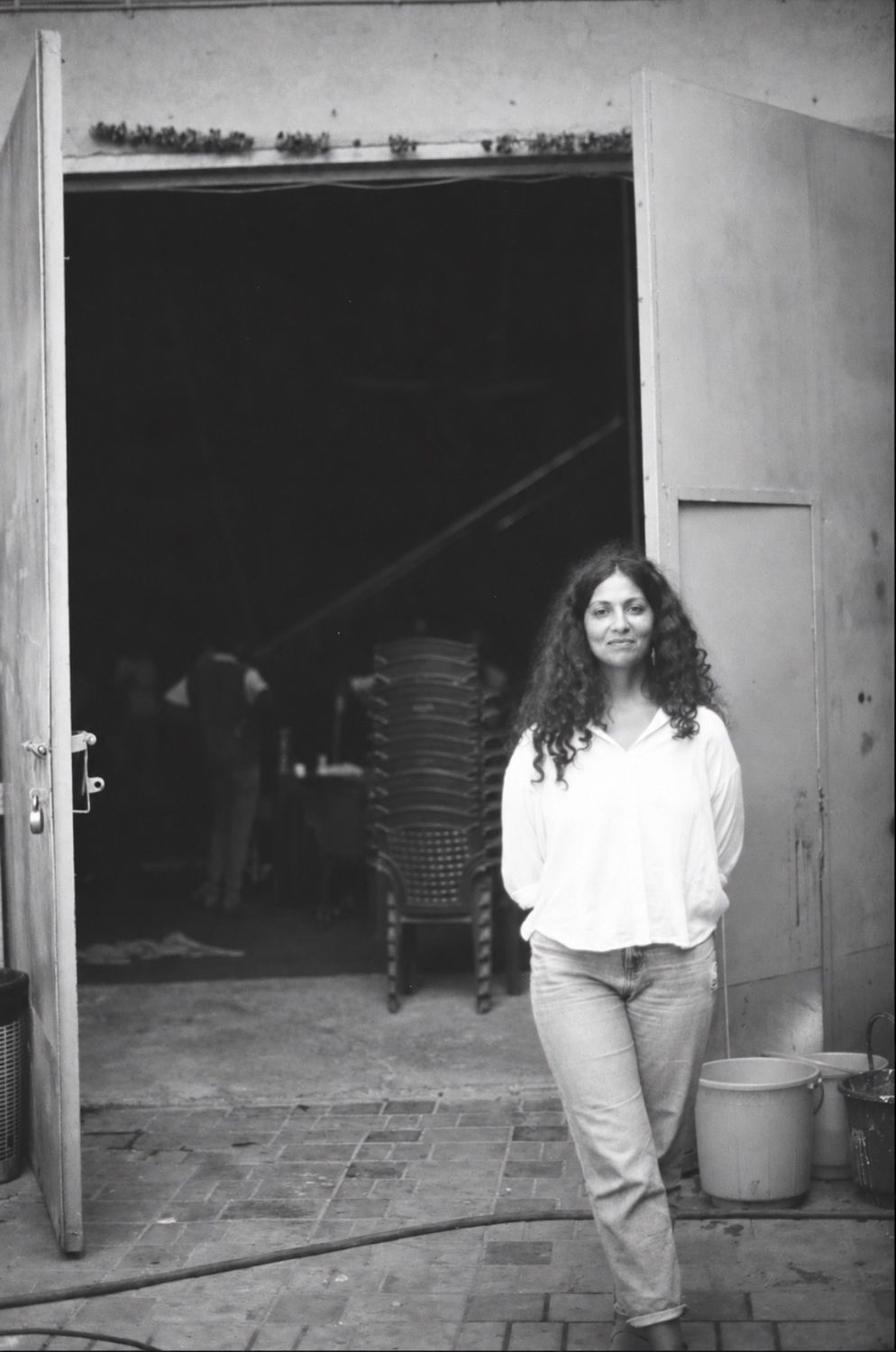
Between screening your short film “White Ant” at Sundance in 2023 and now premiering your debut feature “Our Share of Sand” at Venice International Critics' Week, what has changed for you as a filmmaker?
The two projects were very linked for me so they were always in conversation with each other. The process of making a feature film has changed me as a filmmaker. I have more perspective on what the process needs, the mistakes that often occur and how I want to do it better the next time. It’s all part of a learning process and I’ve learnt a lot about the way that is best for me to write. The best way for me to understand what it is I am searching for as a filmmaker. I do also think I know who I am more now and can stand up for my vision more. Weirdly enough, you are much more free when you make a short film and that's why they can be so special, formally a bit more daring and push your creativity. After "Our Share of Sand", I can see I can also do this with a feature and it just requires confidence.
Were there any conversations or perspectives from viewers after the Venice premiere that particularly stuck with you?
The audience response at Venice was incredible and unlike anything I expected. I am especially stuck with hearing someone shout ‘di nuovo’ (again!) when the film ended. It was such an ecstatic, energetic and simple reaction. I always wanted the film to sort of end with that feeling, so I couldn’t have asked for a better response. And once we spoke to some audience members, people always come back to how strong our performers are, how real they feel as characters and a family. And I’m very proud of that collaboration.
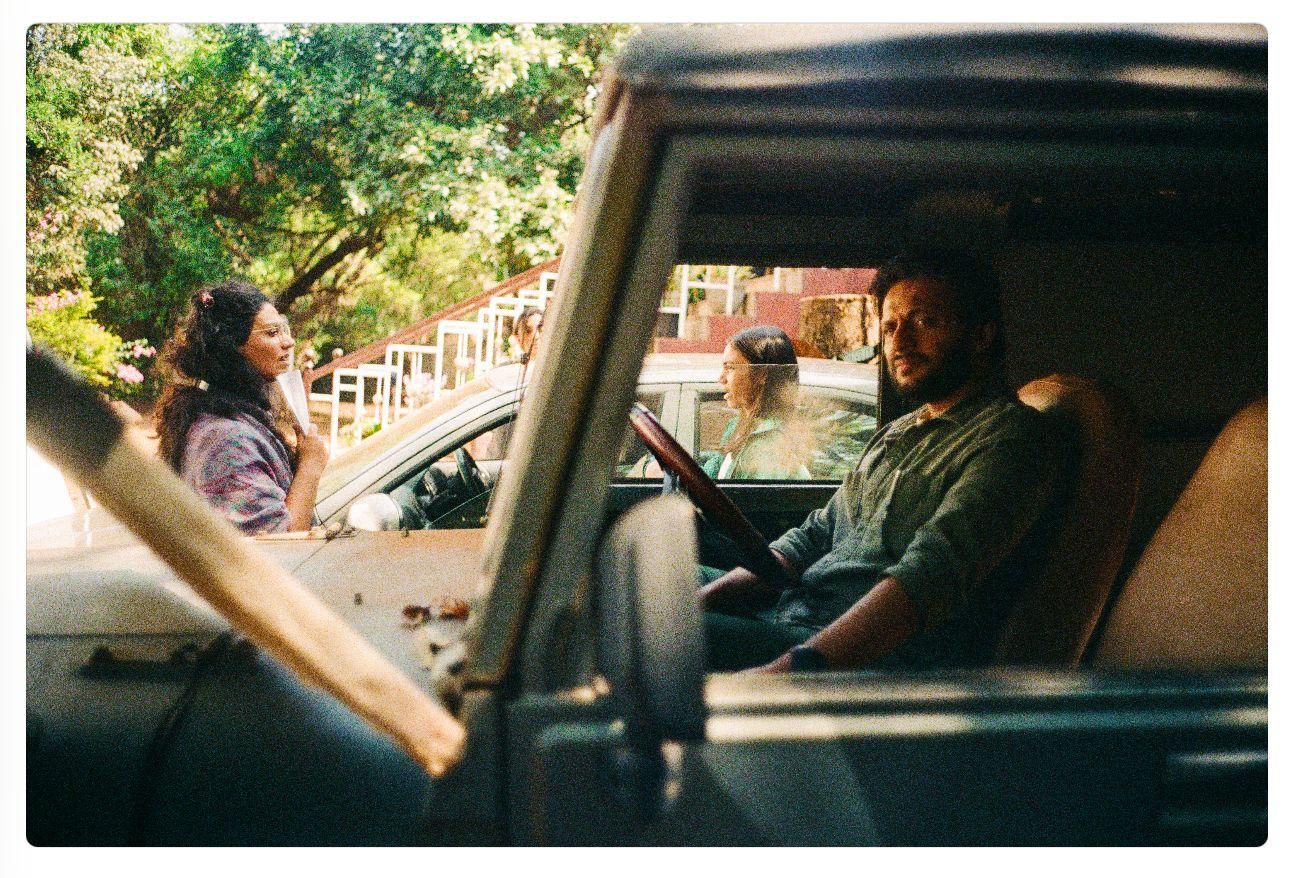
In “Our Share of Sand”, family becomes a lens through which we see larger social structures and class divides at work. What drew you to explore these themes through this lens?
I feel like the nuclear family is essentially the smallest unit in our society. We look at the global landscape and criticize governments, institutions, industries but don’t recognise that the way we operate in a family is the smallest representation of the world around us. Ultimately, I feel a desire to reflect on the world in a political way, but find a ‘macro’ perspective less relatable. It is ultimately within our family systems that we can change things and within our closest relationships that we can make the biggest difference.
At the centre of the film is a 12-year-old girl who slowly begins to understand the world around her. How much of that experience was shaped by your own memories of growing up and becoming aware of social realities for the first time?
Maya’s age is a very formative age for all of us. In terms of developmental psychology, this is when we start to develop our sense of morality and often have a very binary experience of what is right and wrong. The film captures perhaps only a fraction of what I experienced when I started to become aware of social realities. There was so much more I absorbed during that time in my life that felt hard to fit into a film.
You mentioned working with translators on the set of “Our Share of Sand” to navigate Hindi, Marathi and English. What challenges did that multilingual environment create, and were there also unexpected opportunities that came from it?
The main challenge was that things took longer. Working through translators required a very clear line of communication, especially when I was trying to convey something precise or nuanced to an actor.
The opportunities emerged at the script level. We found moments where characters could switch to Marathi to assert power or exclude someone, then move back into Hindi as the dynamic shifted. Those choices became another way of expressing the socioeconomic forces at play, without having to spell them out in dialogue.
I think those shifts will be particularly interesting for Indian audiences, who will recognise their implications. Moving between English, Hindi and a regional language is commonplace in many parts of India, but the choice of which language to speak, with whom and when can carry enormous social weight. Language expresses not only cultural identity but also class and access.
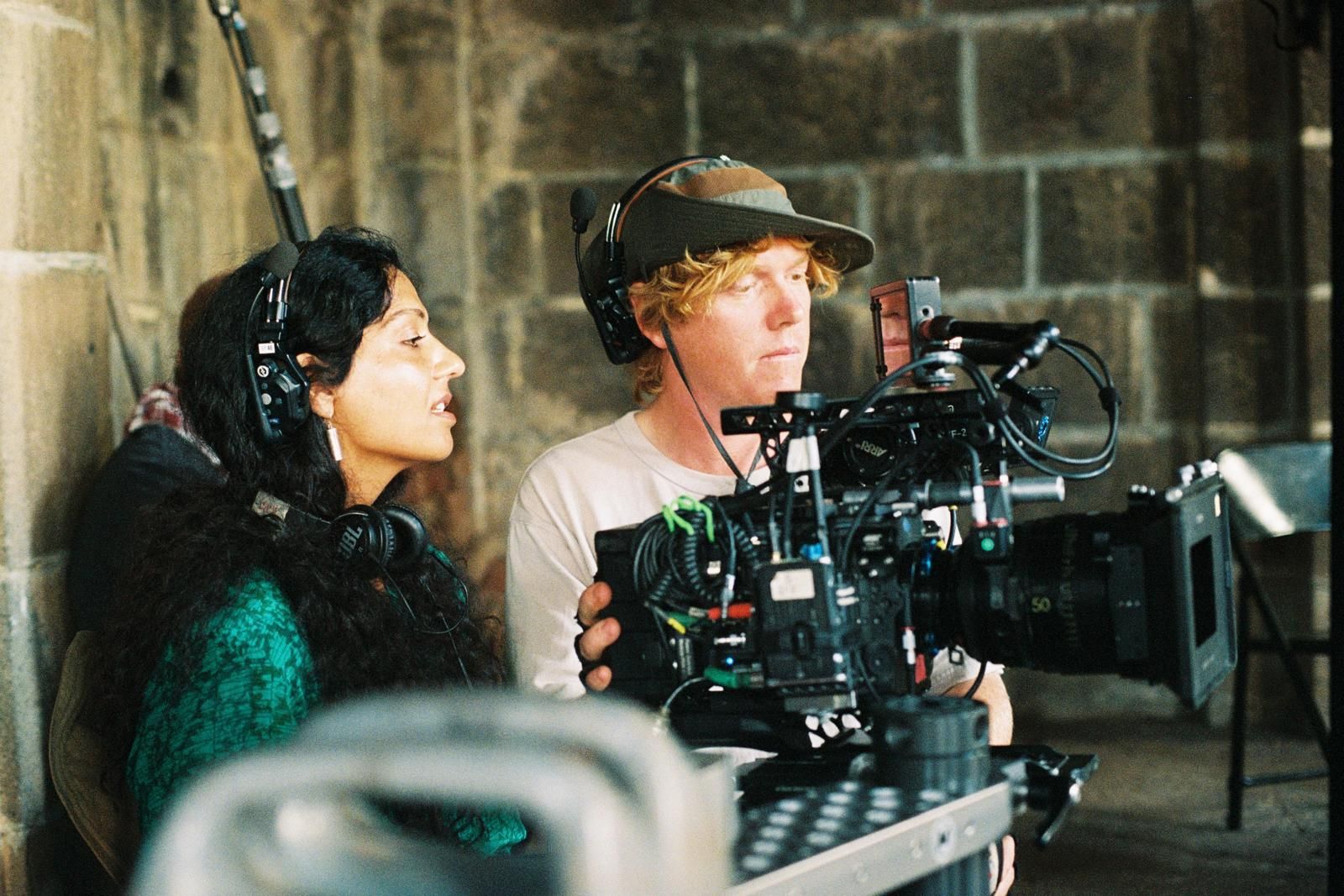
Your editor, Anna Meller, is also Berlinale Talents alumni. Was this a coincidence, or did those connections emerge through the Talents network somehow?
The connection with Anna Meller was a coincidence but we did know various people in common from Berlinale Talents. Berlinale Talents really provided a network I could tap into and even if I didn’t end up meeting my collaborators there, I knew people from Talents that had worked with Anna and recommended her.
Could you tell us a bit about your experience at Berlinale Talents in 2018 — any highlights or lasting takeaways?
Talents in 2018 was really my first experience in the ‘industry’. I had just graduated from film school and didn’t know how to navigate the industry. It really provided a safe space to meet potential collaborators and start understanding how the industry worked. One highlight that year was doing a movement workshop with Josephine Decker, which was fascinating.
And finally, what piece of advice would you give to emerging directors who are still trying to find their own voice and establish themselves within the industry?
It’s important to find the people you love creating with, love working with and support your vision. Once that happens, I think it all happens very organically and authentically. There is a certain amount of pushing through and grit that the industry requires but I genuinely believe that if something is right it happens with ease.
Shalini Adnani is a Chilean-born, Indian-origin writer and director based in London. Her debut feature, "Our Share of Sand", premiered at the Venice Film Festival, where it won the Audience Award at Venice Critics' Week. Her previous short film, "White Ant", premiered at Sundance 2023, and she was named one of Screen International’s Stars of Tomorrow in 2025.