Interview: Chaitanya Tamhane, Berlinale Talents Alumni 2012 and Nipkow Fellow
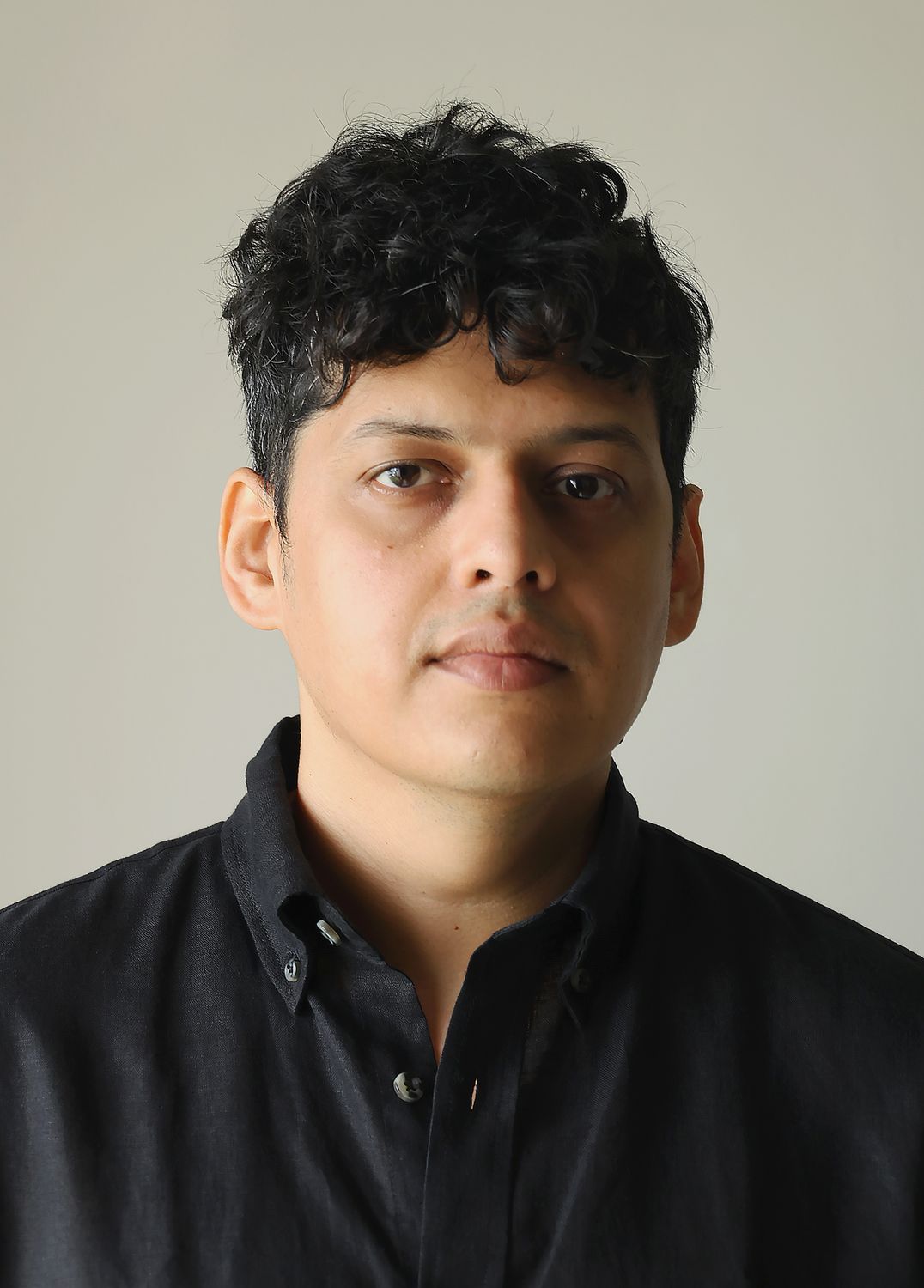
After first coming to Berlin as part of Berlinale Talents more than a decade ago, Chaitanya Tamhane returned to the city this year as a Nipkow Fellow.
The Nipkow Programm is one of the Berlin Film Residencies, supported by Medienboard and Berlinale Talents, and offers a variety of tailor-made workshops and mentoring sessions to a selection of international filmmakers every year. Applications for the Nipkow Programm are currently open to filmmakers from around the world until January 5. Berlinale Talents Alumni can apply directly through their online profile.
We caught up with Chaitanya to hear all about his time at Nipkow, his connection to Berlin and the project he's been working on.
It’s been almost fourteen years since you
were with us at Berlinale Talents in 2012. Was there a particular moment or
insight from your time in Berlin that stayed with you?
I remember getting a lot of insights on
filmmaking from the masterclasses I attended. It was the kind of knowledge that
I could practically apply while make my debut feature film, which I shot the
next year. Apart from the sessions with veterans, even the conversations with
fellow filmmakers sensitised me to various aspects of filmmaking that I knew I
had to work on to better my craft.
In 2025 you were selected for Nipkow
Programm with your project "Who Is Metcena”. What did the fellowship give
you and your project that you might not have found elsewhere?
I fell in love with Berlin the first time I
visited in 2012. In subsequent years, having done the post-production of both
my films there, and the fact that I made so many friends in Berlin, I feel
completely at home every time I visit the city. The Nipkow programm allowed me
to ‘live’ in the city for three months as opposed to being a tourist. This time
my engagement with the city was on a much deeper level and it allowed me to be
inspired by the place as a writer and an artist. This is precisely what I was
hoping for from the residency. I wanted to be in a new place that could provide
a rich stimulus and allow me to be part of a cultural landscape that I could
learn from.
If you were describing the Nipkow Programm
to a fellow filmmaker who’s never heard of it, how would you sum up the
experience?
I would say it’s a great way to meet
filmmakers from around the world, producers and film professionals from Germany
and to get to live in Berlin, that in itself can enrich you as a creator.
Could you tell us a bit about “Who Is
Metcena”, the project that you worked on at Nipkow?
It’s my most personal script till date and
I am very excited to bring it to life. It’s a father-daughter story on the
surface but is actually about the themes of justice, power and the narratives
that define the times we live in.
You work both as director and producer. Is
there something producing has taught you that you now carry into your
directing, or vice versa?
In independent filmmaking one is so closely
involved in every aspect of the production that you have no option but to act
like a producer on your film. Be it the budget, be it the allocation of
resources, or the trade-off of filmmaking choices that you decide to make to
work around your limitations. I have learnt that the level of your production
team has a direct impact on your creativity to the point where production and
direction become indistinguishable as crafts.
You’ve often spoken about the importance of
supporting independent filmmaking in India. From your perspective, what are the
biggest challenges indie filmmakers are facing there today?
It’s the lack of institutional funding, the
lack of specialty arthouse cinemas and the lack of distribution avenues for
films that have been made against all odds.
What advice would you give to filmmakers
considering applying to the Nipkow Programm?
I would say they should apply without
hesitation, knowing that they will get to meet some very experienced mentors
and guides who could help them improve their scripts and share their insights
on possible production/co-production avenues in the international market. This
is apart from all the wonderful films one gets to see on the big screen in the
many arthouse cinemas in Berlin. It’s also a great opportunity to meet fellow
filmmakers who are facing similar challenges but might have different ideas and
solutions in their careers.
Looking ahead, what changes would you most
like to see in the global film industry in the near future?
I would love to see more meaningful and yet accessible middle-of-the-road films from around the world getting funded by production houses, followed by theatrical releases. Most importantly, I would like audiences to actually support these films in the cinemas, and experience the magic of a theatrical viewing.
Chaitanya Tamhane is an independent filmmaker based in Mumbai. His debut feature, Court (2014), premiered at the Venice Film Festival, where it won Best Film in the Orizzonti section and the Lion of the Future award. The film went on to receive over 30 international awards, won India’s National Award for Best Feature Film, and was India’s official entry for the 2016 Academy Awards.
His second feature, The Disciple, executive produced by Cuarón, premiered in competition at the 77th Venice Film Festival, becoming the first Indian film in 20 years to compete in the main section of a major European festival. The film won the Golden Osella for Best Screenplay and the FIPRESCI Prize, screened at the New York Film Festival, and was released worldwide in 2021 as a Netflix Original.