Interview:
Simón Mesa Soto on the Making of "A Poet" and the Power of Honesty in Cinema
It's been
an incredibly busy year for our 2023 alumni Simón Mesa Soto. Within the space of five months, he went from shooting his latest film, "Un Poeta" (A Poet) to seeing it premiere in Cannes' Un Certain
Regard, where it won the section's Jury Prize. This marked the fourth time
Simón has presented his work at the prestigious festival. His debut feature, “Amparo”, earned him the Louis Roederer Foundation Rising Star
Award there in 2021.
Developed
and pitched at our Script Station [the predecessor to the Berlinale Talents Lab] in 2023, “Un Poeta” has since been selected as
Colombia’s official submission for Best International Feature Film at the 98th
Academy Awards. Additionally, the film was awarded at the Munich International Film
Festival and the Melbourne Film Festival, among others. Quite the year indeed.
We caught up with Simón to hear all about the film and this recent
rollercoaster.
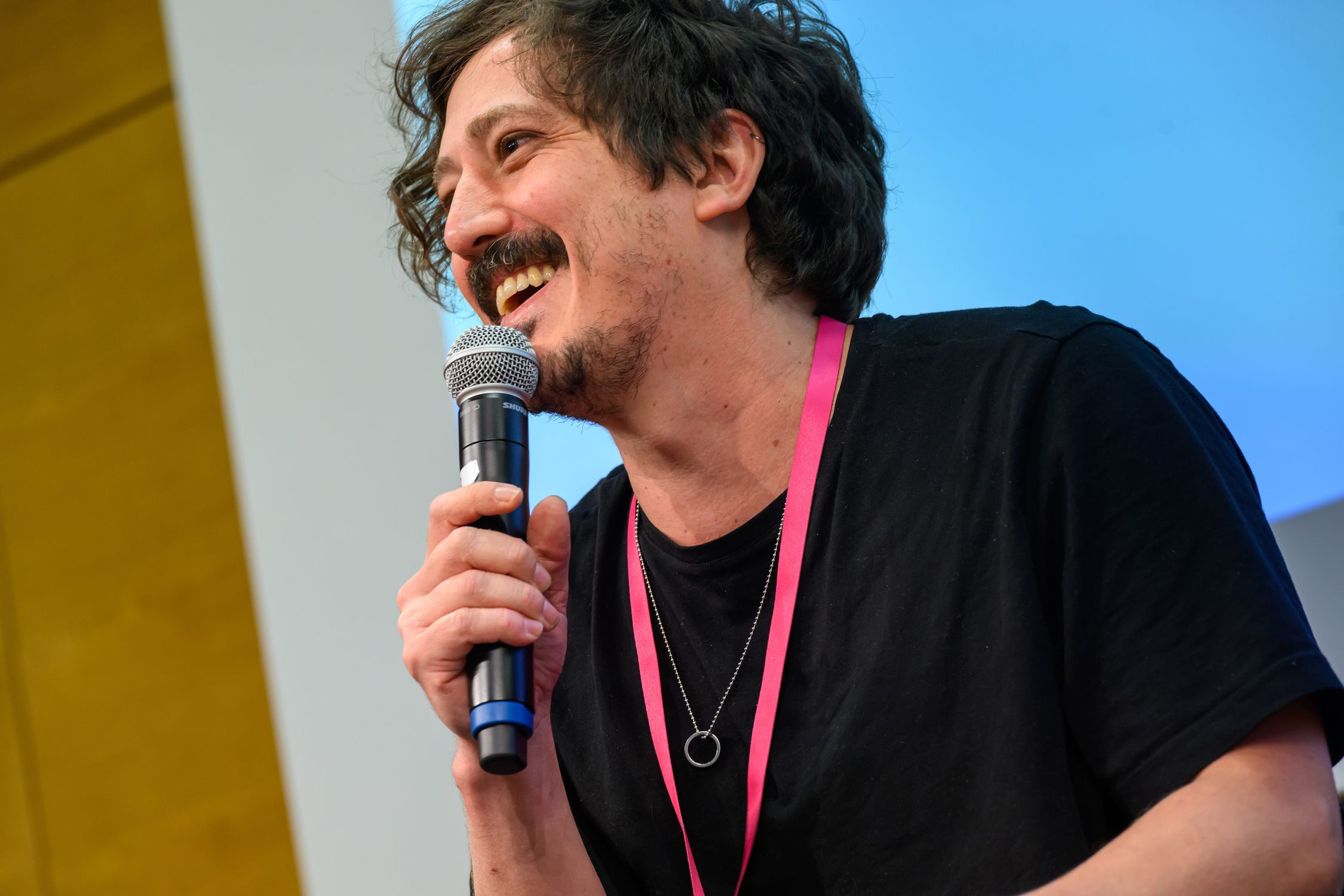
Congratulations on the incredible festival run of “A Poet”, winning in Cannes to mention just one. How has the last year been for you, how does it feel to have your work acknowledged in some of the world’s most prestigious festivals?
It has been a crazy, hectic, but very exciting year. We shot the film last January and February, edited it between March and April, and by May we were already premiering it at Cannes. A rather unusual timeline, but given the crafty and free way in which we made it, it felt organic to finish it in such a short time. When we were in the editing room, we knew we had a very unique, kind of freaky, but special film. The reception has been surprising and beautiful.
Besides the strong reception at festivals, what has excited us most is the connection it has made with audiences. People have been strongly affected by the film, as if this poet mirrors the frustrations and dilemmas we all experience at some point in life.
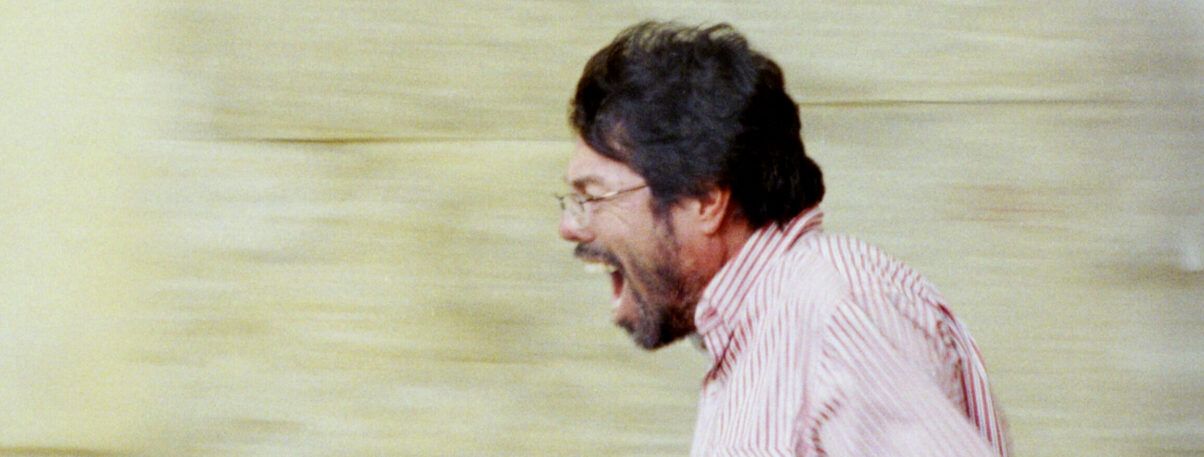
What drew you to the world of poets and poetry? What made you want to tell this story specifically?
In 2020, I finished my first film, "Amparo". It wasn't a good time; the pandemic was just beginning and we had to keep the film under wraps until it could be shown. I had a huge existential crisis. I had invested many years in the film as a producer, director, and screenwriter in a country like Colombia, where making independent cinema is a difficult endeavour that involves sacrifices and isn't very profitable. I was at an age where I was wondering about my financial stability. Cinema had not provided it. I was living with my mother, without a car, without a house, without much. I was making a living as a professor, a job I have done alongside filmmaking and which pays the bills. I thought about giving up the madness of cinema and dedicating myself to a quieter life as a full-time teacher.
At that moment, I thought about what I would become in 20 years if I left behind this obsession with cinema. Perhaps I would be the professor who, year after year, shows the same film he made when he was young and devotes himself to a bohemian lifestyle. That's how my professors were in college. I began to think about the idea of making a film about the worst version of myself if I failed. At first, I thought about making it about a filmmaker, but for some reason I didn't find it that interesting.
For several years, I had been frequenting the world of poetry in Medellín. I attended poetry readings and met with poets. There is a strong tradition of poetry here, but it seems to be an art form of the past. For me, the poet represents the epitome of the utopian, dreamer, unviable artist. You can see many poets like Oscar inhabiting that world, in public libraries, in cultural centres, trying to preserve an art form that belongs to the past. Using the figure of a poet, I somehow exorcised all my dilemmas as an artist.
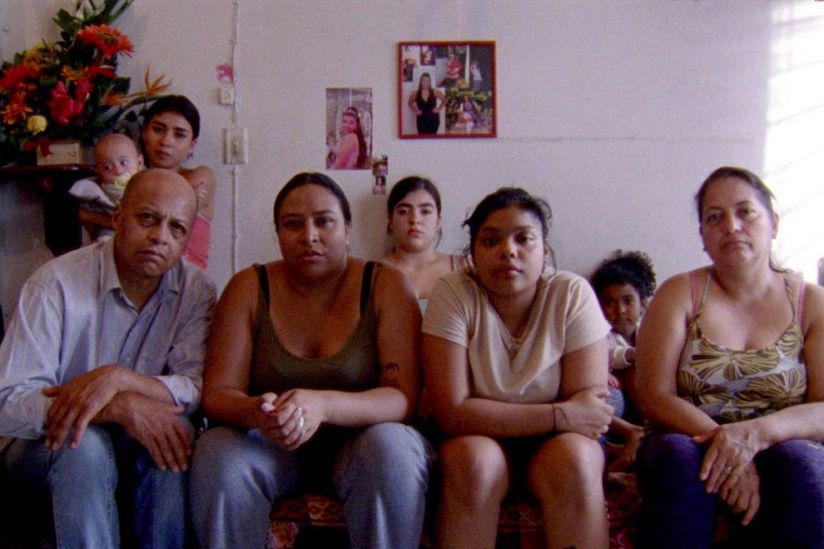
The film has been extremely well reviewed so far. What do you think makes it stand out and resonate?
Cinema is very unpredictable; films are like living organisms that are affected by the work of many people, lack of funding, unforeseen events, right and wrong decisions. Every film is like a miracle. From inside, I can see the right decisions and risks we took. It is an extremely honest and free film, not driven by preconceived formulas but by what we really wanted to do from the gut. Then there is the fact that it is a very local film, but one that deals with issues that are very close to anyone anywhere in the world. Frustration, success, and failure, of dreams that are cut short. We are all that artist, that poet, who has experienced moments of frustration and whose life has taken us down paths we did not expect.
The film is told from the perspective of the average poet, the one who does not succeed, which is almost all of us. I can also see all the hard work I spent on a screenplay that intended a precise balance between auteur cinema and cinema for the audience. It was important to me to tell a story that would move people, that would take the audience on an emotional journey. And last but not least, there is Ubeimar [Rios, who plays the titular], a schoolteacher who had never acted before but became an actor for this film and gave life to a unique character.
You developed the film at our Script Station, the predecessor to the Berlinale Talents Lab, in 2023. How did that experience impact the film and your process?
It was a wonderful experience. It's a place where you meet many like-minded people and share your experiences while writing a script and developing a film. It has many activities that open your mind to many ideas. Script labs are spaces where you open a door for others to enter your process and give their opinion. It's not easy, but it's necessary. You develop a certain ability to recognize what is useful in that process, but also to know how to avoid what isn't. In addition, what was extremely helpful for us was that it was during my time there that I first met Burkhard Althoff from ZDF Das kleine Fernsehspiel/ARTE, who loved the project and was a key ally in financing our film.
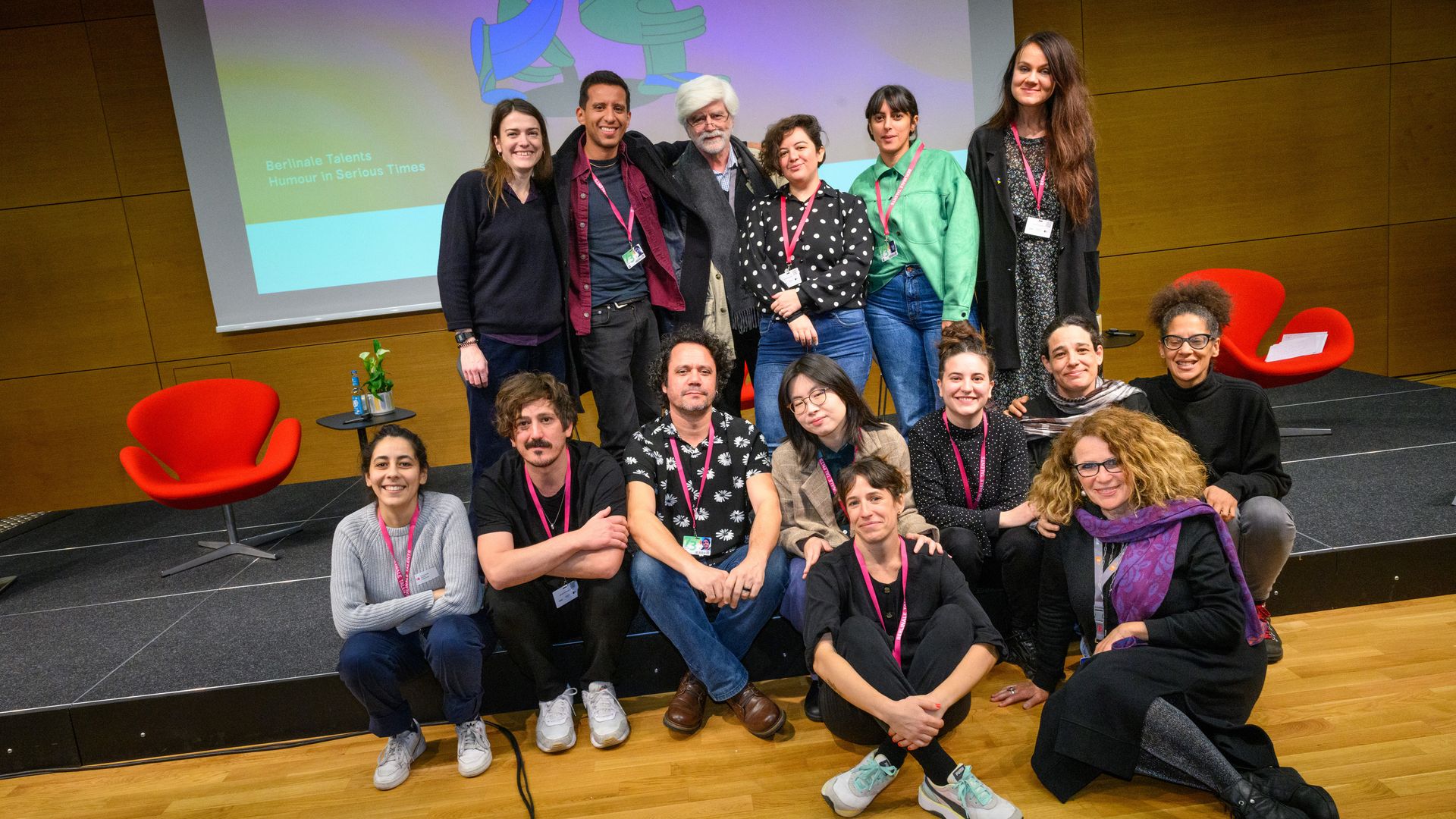
Your cinematographer & producer Juan Sarmiento G. and editor Ricardo Saraiva are also Berlinale Talents alumni. Was this a coincidence or did you make the connection somehow?
Juan and I met a long time ago. We have worked together since my short films and have established a strong creative collaboration. The same goes for Ricardo, who was my classmate during film school. Although we didn't meet during Berlinale Talents, I don't see it as a coincidence, as it is a renowned event that many of us aspire to attend on our filmmaking journey.
Could you tell us a bit about your experience at Berlinale Talents — any particular highlights or lasting takeaways?
Many moments. The connection you make with your colleagues is beautiful. Each of us, from our own process with our script, shared our dilemmas, concerns, and emotions. In a space like this, it is very beautiful to see the human beings behind the films. And of course, the incredible Linda Kirmse, who kindly guided us through the Script Station. To name a few things.
Do you have any advice for emerging filmmakers?
Things don't come easily or on the first try. You just have to work and work hard and be persistent and stubborn. There's no other way, but you can enjoy the process.
Simón Mesa Soto is a Colombian director, screenwriter, and producer. He studied audiovisual communication at the University of Antioquia and later pursued a master's degree at the London Film School. His short thesis film, "Leidi", won the Palme d'Or at the Festival de Cannes in 2014. His next short, "Mother", was selected for the Official Competition at Cannes in 2016. "Amparo", his first feature-length film, had its premiere in La Semaine de la Critique at Cannes in 2021, when Sandra Melissa Torres won the Louis Roederer Foundation Rising Star Award. At the Colombian Film Academy's Macondo Awards, "Amparo" won seven prizes, including Best Director and Best Film. "A Poet", his most recent film, premiered in Un Certain Regard at Cannes, where it won the Jury Prize.
Find out more about Simón and his work here.